

Kodachadri is a well-known trekking destination in Karnataka's Western Ghats, located in Shivamogga district. Rising to around 1,343 metres above sea level, the peak is known for its forest trails, grassy slopes, waterfalls and views of the surrounding hills. On clear days, the landscape can offer views extending towards the Arabian Sea.
The Kodachadri trek attracts nature lovers, hikers and travellers looking to explore the Malnad region. One of the best-known routes passes Hidlumane Falls, while another option involves travelling part of the way by local jeep and walking to the summit area.
The experience depends on the route, weather and trail conditions. Before setting out, it is important to understand the available routes, plan enough time for the trek and check any current access or forest requirements. This guide covers the main trekking options, the best time to visit Kodachadri, safety tips, nearby attractions and accommodation options for planning your trip.
Kodachadri Trek at a Glance
What Makes the Kodachadri Trek Worth Exploring?
1. Forest Trails and Western Ghats Scenery
The Kodachadri region has a mix of forest paths, open slopes and views of the Western Ghats. The scenery changes as you move through the route, making the trek an opportunity to experience the landscape at a slower pace.
Trail conditions can vary significantly with the weather. Some sections may become slippery after rain, so suitable footwear and careful walking are important.
2. Hidlumane Falls
Hidlumane Falls is one of the best-known natural attractions associated with the Kodachadri trekking region. The waterfall is made up of a series of cascades surrounded by forest and greenery.
Depending on the route and prevailing conditions, reaching the falls can involve walking on uneven and slippery terrain. Water flow, trail difficulty and access can change with the season. Avoid entering the water or climbing over rocks where conditions are unsafe.
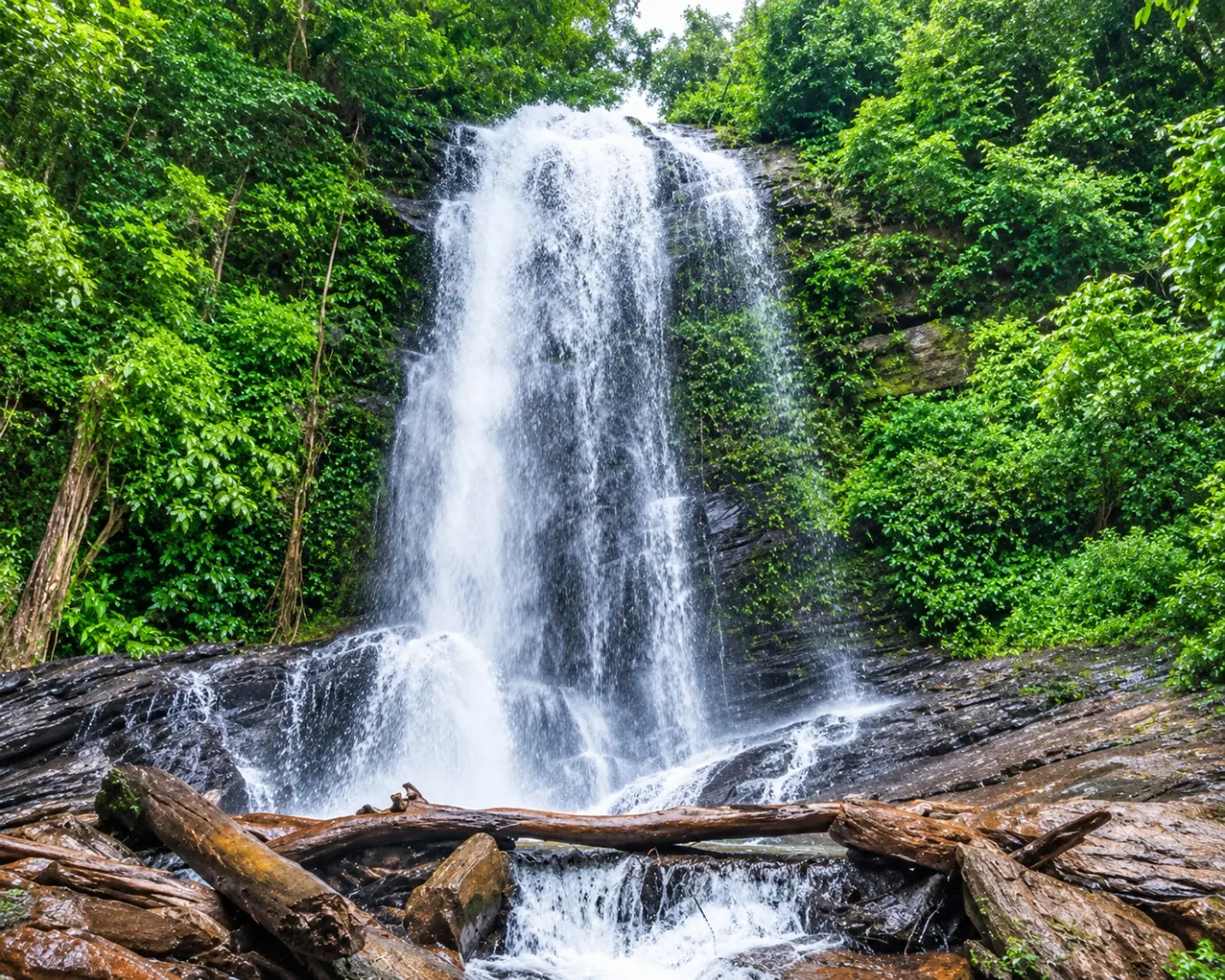 Hidlumane Falls—a scenic multi-tiered waterfall nestled inside the lush forest canopy.
3. Kodachadri Summit and Sunset Views
The summit area is known for its broad views of the surrounding hills and valleys. On a clear day, visitors may also see distant coastal views extending towards the Arabian Sea.
Sunset is a popular time to experience the landscape, but reaching a viewpoint late in the day requires careful planning. Check the expected return time, jeep availability and any local access restrictions before deciding to stay for sunset.
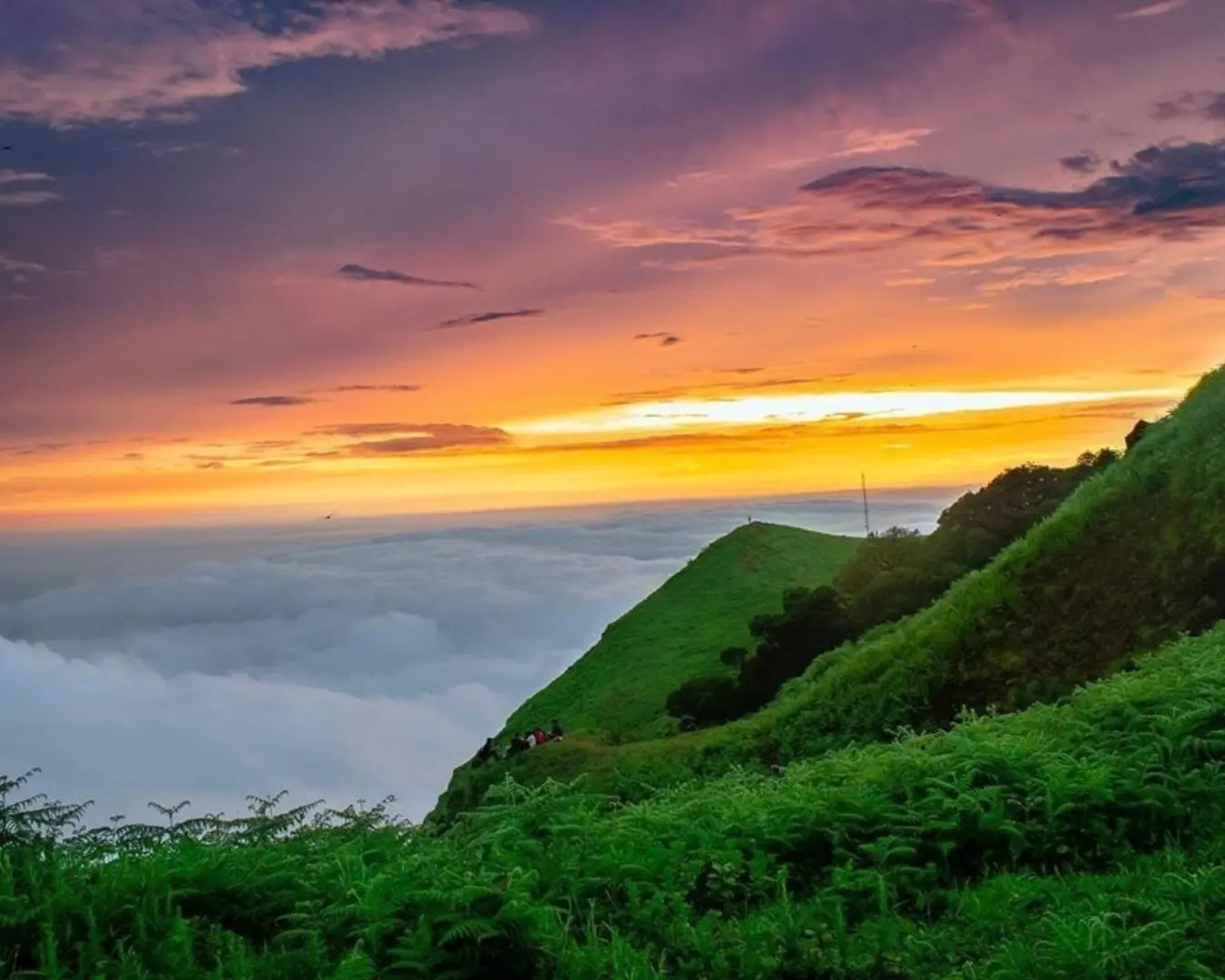 The vibrant evening sky over the Western Ghats from Kodachadri Sunset Point.
4. Sarvajna Peetha
Sarvajna Peetha is a small shrine and landmark associated with the Kodachadri summit area. It is connected with local religious traditions and is often included in visits to the hill. Travellers interested in both nature and local culture may want to include it in their plan, depending on the route and available time.
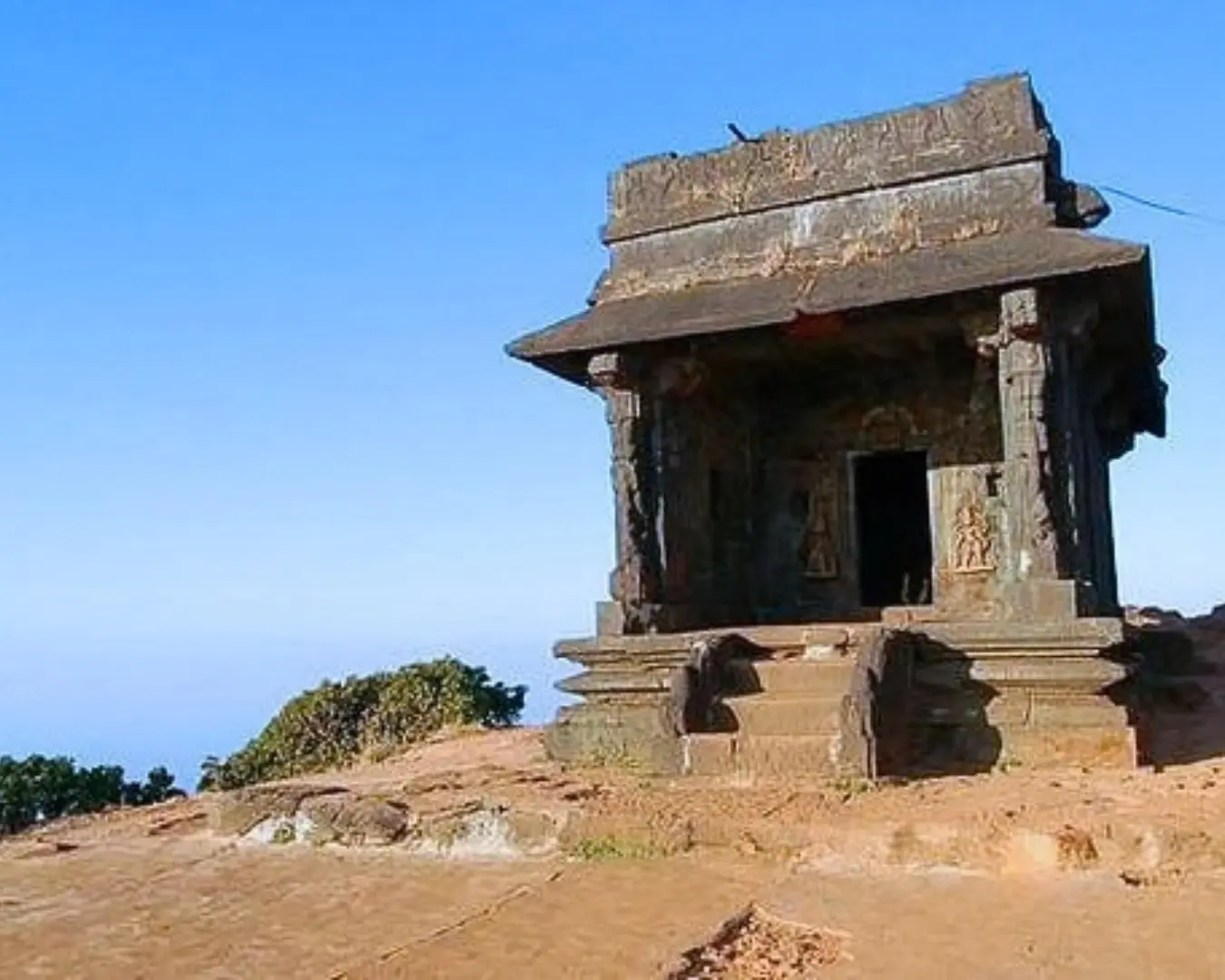 Sarvajna Peetha, the historic stone shrine near the crest of Kodachadri.
Kodachadri Trekking Routes
There is more than one way to explore Kodachadri. The distance and difficulty depend on the starting point and whether you complete the journey on foot or use local jeep transport for part of the route.
Route 1: Trek via Hidlumane Falls
This route is popular with trekkers who want to experience the trail on foot and visit Hidlumane Falls along the way.
What to expect:
- Walking through natural terrain and forest sections.
- Visiting the Hidlumane Falls area, subject to access and weather conditions.
- Uneven and potentially slippery sections, especially after rain.
- A longer and more physically demanding outing than a short walk from the jeep drop-off point.
The total distance and time depend on the exact starting point and route followed. Do not rely on a single distance estimate without confirming which trail it describes. Ask a local guide about the current route, expected walking time and return arrangements before starting.
Suitable for: Travellers who are comfortable with a longer walk and are prepared for changing trail conditions.
Route 2: Jeep-Assisted Visit to the Summit Area
Local jeeps may be available to take visitors along the permitted jeep route towards the summit area. Visitors then walk the remaining section to reach the viewpoint and nearby landmarks.
This option can reduce the amount of walking compared with completing a longer trekking route on foot. However, it still involves walking on uneven terrain, and the available drop-off point or walking distance may vary.
Before choosing this option:
- Confirm where the jeep journey starts and ends.
- Ask how much walking is required from the drop-off point.
- Check the return schedule and jeep availability.
- Confirm whether the route is operating on your travel date.
- Allow enough time to return before it gets dark.
Suitable for: Travellers who prefer a shorter walking section but still want to experience the summit area.
Which Kodachadri Route Should You Choose?
Choose based on your fitness, available time, weather and interest in walking. If you want a longer nature walk and the trail is open and safe, ask about the Hidlumane Falls route. If you prefer less walking, check whether a jeep-assisted visit is available. Do not assume that both routes have the same starting point or timing—confirm details with a reliable local guide before setting out.
Best Time to Visit Kodachadri for Trekking
Kodachadri can look different in each season, but the weather has a direct effect on trail conditions:
Post-Monsoon: September to November
The surrounding hills and vegetation are often green after the monsoon. Waterfalls may also have good water flow, depending on recent rainfall. However, trails can remain wet and slippery. Check the local weather and route conditions rather than assuming that every trail is safe immediately after the monsoon.
Winter: December to February
These months are often considered a practical period for outdoor travel in the region because conditions may be more suitable for walking than during heavy rainfall. Mornings can be cool, and mist or cloud cover may affect visibility. Start early and carry suitable clothing and drinking water.
Summer: March to May
The weather can be warmer, especially during the middle of the day. An early start can help reduce exposure to the heat. Carry enough drinking water, take breaks when needed and avoid pushing ahead if you feel unwell or exhausted.
Monsoon: June to August
Heavy rainfall can make the trails slippery and difficult to navigate. Water levels may rise, visibility can be poor, and access to some areas may be restricted. Check current local advice before planning a monsoon trek. Do not continue onto a route that has been closed or that local authorities or guides consider unsafe.
Planning Tip:
The best time for your Kodachadri trek is not determined by the calendar alone. Check the forecast, trail condition and access arrangements shortly before travelling.
Important Safety Tips for the Kodachadri Trek
A little preparation can make the experience more comfortable and help you avoid common problems on the trail:
- Wear Suitable Footwear: Use trekking shoes or other footwear with a good grip. Avoid footwear that becomes slippery on wet rocks or muddy paths.
- Carry Drinking Water and Snacks: Bring sufficient drinking water and snacks for the expected duration of your outing. Do not assume that shops or reliable water sources will be available along the trail.
- Prepare for Rain and Leeches: Rain can occur even when the weather initially looks clear. Carry suitable rain protection, particularly during wetter months. Leeches may be present on damp forest trails, so take sensible precautions.
- Start Early and Plan Your Return: Allow time for walking, rest breaks and unexpected delays. If you plan to visit a sunset viewpoint, confirm the return arrangements beforehand. Do not depend on finding a jeep at the last minute.
- Check Access and Permissions: Forest access, route availability and local rules can change. Before setting out, ask about any required permits, permitted routes, timings and restrictions. Follow the instructions of local authorities and guides.
- Stay on the Appropriate Route: Avoid taking unmarked shortcuts or entering restricted areas. If you are unfamiliar with the trail, consider arranging a local guide, particularly for longer routes or changing weather conditions.
- Keep the Area Clean: Carry your waste back with you. Avoid disturbing wildlife, damaging vegetation or leaving plastic and food packaging on the trail.
What to Pack for a Kodachadri Trek
Essential Packing Checklist
- Comfortable trekking shoes with a good grip.
- Drinking water (minimum 2–3 litres) and light energy snacks.
- Rain jacket or other suitable rain protection.
- A small, lightweight backpack.
- Clothing suitable for changing weather conditions.
- A basic first-aid kit and personal medicines.
- A fully charged mobile phone.
- A torch or headlamp for emergencies.
- A bag for carrying your waste back.
Your packing needs will depend on the route, weather and duration. Ask your guide about any additional requirements before leaving.
Where to Stay Near Kodachadri
Choosing suitable accommodation can make it easier to plan a trek and explore the surrounding region. Staying nearby also gives you time to rest before or after a long day outdoors.
Matthuga Kodachadri
Matthuga Kodachadri is a rustic resort and homestay-style stay located in Nittur, Hosanagara Taluk, Shivamogga district, Karnataka. The property is set amid an areca plantation and offers accommodation for families, friends and travellers visiting the Kodachadri region.
Guests can choose from different room options, including Regal Rooms and Club Rooms. Matthuga also offers pure vegetarian dining and activities such as plantation walks, birdwatching, guided night walks, indoor games and outdoor games.
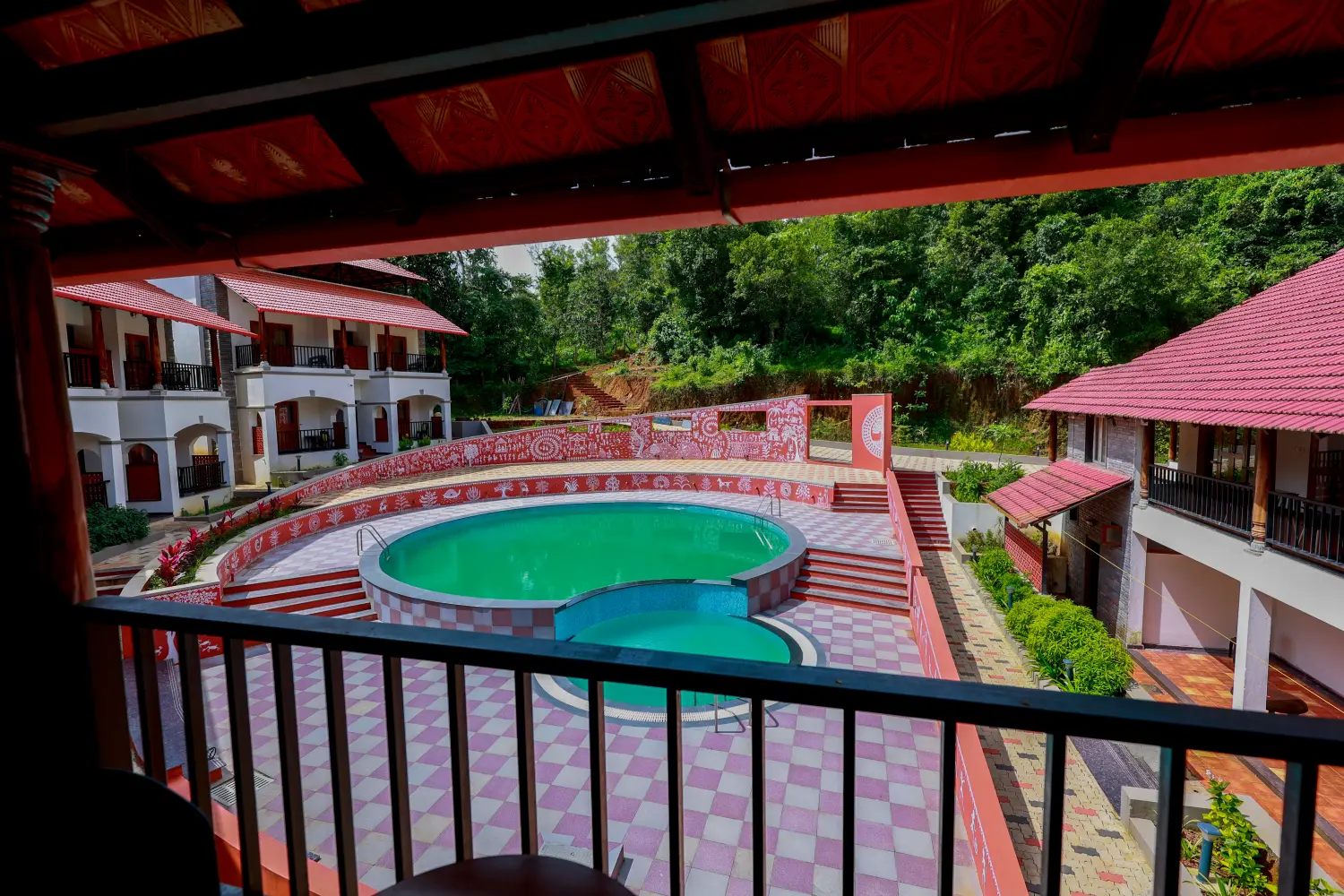 Matthuga Kodachadri—peaceful nature cottages nestled amidst areca plantations in Nittur.
For travellers planning to explore Kodachadri, guided trekking and hiking experiences may be arranged at additional charges, subject to local conditions and guide availability. Guests can enquire with the property about current trekking and sightseeing arrangements before their visit.
Matthuga can be considered by travellers looking for a stay near Kodachadri that combines accommodation, meals and access to nature-based experiences.
Planning to stay near Kodachadri?
Contact Matthuga Kodachadri to check room availability, meal arrangements and trekking options for your travel dates.
Places to Visit Around Kodachadri
If you have additional time, consider exploring other attractions in the region. Check travel time and road conditions before combining several places into one day:
- Hidlumane Falls: Associated with the Kodachadri trekking region and known for its cascading water and forest surroundings. Access and walking conditions can vary with rainfall.
- Kollur Sri Mookambika Temple: Located in Kollur, Sri Mookambika Temple is an important pilgrimage destination dedicated to Goddess Mookambika. It can be included in a broader visit to the region.
- Sarvajna Peetha: This landmark in the Kodachadri summit area is associated with local religious tradition. Whether you can include it depends on your chosen route and the day's conditions.
- Kodachadri Sunset Viewpoint: Popular for views of the surrounding Western Ghats, particularly around sunset. Plan your return before visiting late in the day and check local transport arrangements.
- Savehaklu Dam: Another place to consider when exploring the wider region. It is better planned as a separate stop if the road journey makes it impractical to combine with your trek.
- Sri Siganduru Chowdeshwari Temple: Located in the Sharavathi backwaters region, another option for travellers interested in visiting local religious destinations. Check the route and ferry arrangements required for your planned journey.
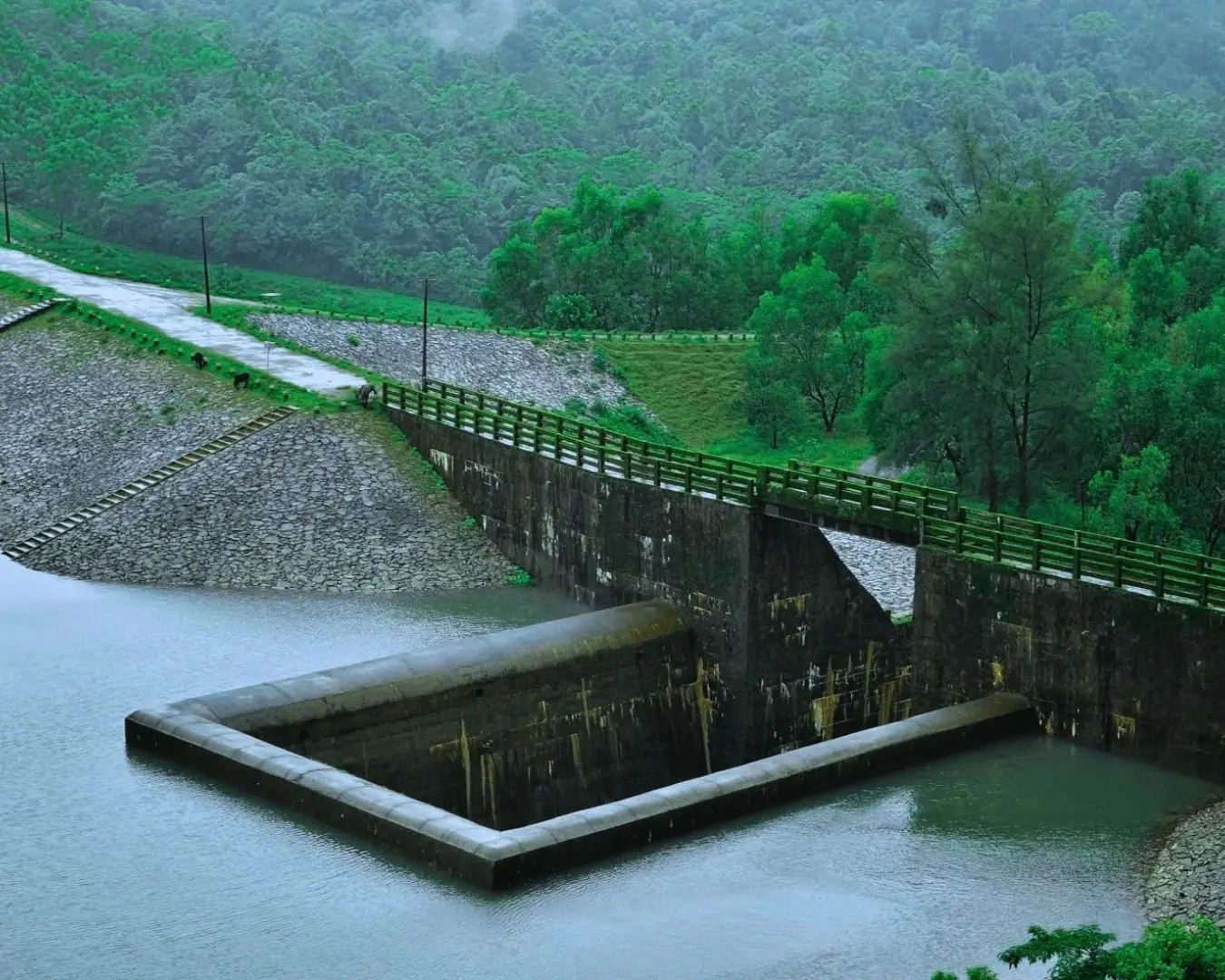 Savehaklu Dam reservoir—a tranquil nature spot near Hosanagara.
Note: These attractions are not all located next to one another. Plan them according to their actual road distances and your available time rather than treating them as a single walking circuit.
Frequently Asked Questions About the Kodachadri Trek
1. Where is Kodachadri located?
Kodachadri is in the Western Ghats of Karnataka, in Shivamogga district. The region is known for its forested hills, trekking routes, waterfalls and views of the surrounding landscape.
2. How high is Kodachadri Peak?
Kodachadri Peak is approximately 1,343 metres (4,406 feet) above sea level.
3. How difficult is the Kodachadri trek?
The difficulty depends on the route, weather and your fitness. A longer walking route involving forest terrain and Hidlumane Falls can be more demanding than a jeep-assisted visit to the summit area. Wet or slippery conditions can make either option more challenging.
4. Can I visit Hidlumane Falls during the Kodachadri trek?
Hidlumane Falls is associated with one of the trekking routes in the Kodachadri region. Whether you can visit safely depends on the route, current access and weather. Check local conditions before starting.
5. Is a jeep available for the Kodachadri trek?
Local jeep services may operate on the route towards the summit area. Availability, permitted access, timings and drop-off points can vary, so confirm the arrangements locally before your visit.
6. What is the best time to visit Kodachadri for trekking?
Post-monsoon and winter months are often considered for trekking, but conditions can change from year to year. Check the weather, trail condition and current access information before travelling.
7. Are permits required for the Kodachadri trek?
Forest access rules and permit requirements may depend on the route and current regulations. Confirm the latest requirements with the relevant local authorities or a reliable local guide before setting out.
8. What should I carry for the trek?
Carry suitable footwear, drinking water, snacks, rain protection, a charged phone and a basic first-aid kit. Your requirements may differ depending on the season and route.
9. Where can I stay near Kodachadri?
Matthuga Kodachadri in Nittur offers accommodation in a plantation setting, pure vegetarian dining and nature-based activities. Guests can enquire about room availability and guided trekking arrangements before booking.
10. Can I visit Kodachadri for sunset and return by jeep?
This depends on the route, local access rules and the availability and timing of return transport. Confirm these details before planning a sunset visit, and allow enough time to return safely.
Plan Your Kodachadri Visit
Kodachadri offers an opportunity to explore the Western Ghats through forest trails, waterfalls, mountain views and local landmarks. A well-planned visit starts with choosing a route that suits your fitness, checking current conditions and allowing enough time for the return journey.
If you are planning to stay in the area, Matthuga Kodachadri offers accommodation in Nittur, pure vegetarian dining and nature-based activities. Contact the property to enquire about your stay and available trekking or sightseeing arrangements.
Planning a trip to Kodachadri?
Get in touch with Matthuga Kodachadri to check availability and plan your stay.